
Linux 7.3 sets contributor records, and one in ten patches carries an Assisted-by tag
Linux 7.3 shipped on October 18 with 18,765 commits from 3,021 developers. The numbers are records; the changes worth knowing sit in scheduling, containers and storage.
- Section
- Software & Apps
- Published
- Read
- 4 min
- Sources
- 3
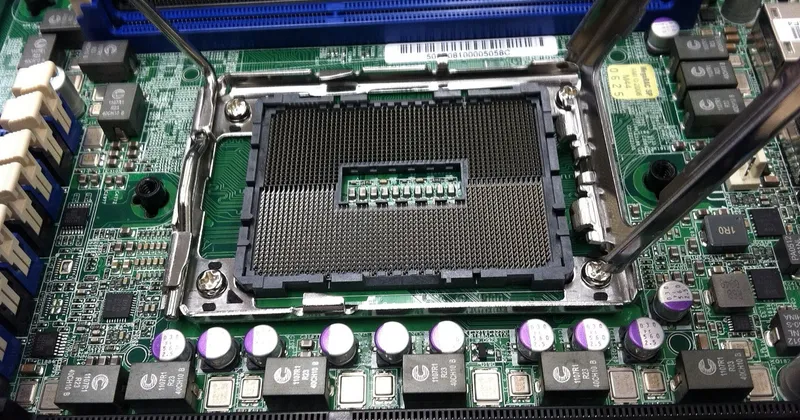
Linus Torvalds tagged Linux 7.3 on Sunday, October 18, after a final week he described, per CNX Software, as one where “nothing very special seems to have happened.” The cycle itself was the opposite of quiet. Linuxiac counts 18,765 non-merge commits from 3,021 developers, 807 of them first-time contributors, and calls all three figures records.
The number that deserves a second look
CNX Software adds a detail the other write-ups skip: 1,920 of those 18,765 commits, about 10 percent, carried an “Assisted-by” tag. The same article says the requirement to add that tag will be dropped in future releases. I could not find in the pieces I read what tools those tags name, so treat the figure as a snapshot of one cycle, not a trend line. What it does tell you is that the kernel’s maintainers were willing to count, and that a tenth of the volume went through some kind of assisted workflow in a release they still found easy to wrap up.
Volume matters because review is the scarce resource in kernel work. A record contributor count with a calm last week suggests the review pipeline absorbed the load. It does not tell you whether it will next time.
Where the real changes are
Three areas are worth a sysadmin’s attention.
CPU scheduling. LWN’s merge-window report by Jonathan Corbet describes a rework of group scheduling: control groups moved to a single run queue, which is meant to cut scheduler overhead and latency, and a new debugfs knob, cgroup_mode, now defaults to a mode called concur, with the pre-7.3 behavior available as smp. Linuxiac says the practical gain is expected on large, busy systems. Separately, the sched_ext work is complete for cgroup sub-schedulers, per CNX, so different cgroups can run different BPF-written schedulers. If you run dense container hosts, this is the item to benchmark before you upgrade, because a default changed.
Containers and isolation. There is a new filesystem called failfs that, as LWN puts it, fails any operation attempted inside it, along with a new fchroot() system call that takes a file descriptor rather than a path. Linuxiac notes the pairing can restrict filesystem access when isolating processes. OverlayFS gains id-mapped mount support, which helps with file ownership in containers. On the security side Linuxiac lists AppArmor policy-loading improvements, more Landlock capabilities and stricter handling of signed BPF programs.
Storage. CNX reports that Btrfs direct I/O performance is restored, that non-SSD logging workloads see lower latency and five times the throughput, and that fsync with the no-holes feature is five times faster. Ext4 gets faster direct-I/O parallel writes and fallocate(). The in-kernel SMB server, ksmbd, picks up Apple Time Machine backup support and per-share SMB3 encryption, according to Linuxiac.
Smaller notes
- Rust support grew new abstractions and initial support for more architectures, including PowerPC, which LWN had already flagged during the merge window.
- Hardware work includes preparation for AMD Zen 6 and Intel’s upcoming Nova Lake graphics, plus a long list of Arm and RISC-V boards that CNX itemizes, from Rockchip and Allwinner parts to Apple M3 Pro, Max and Ultra entries.
- LWN noted in August that several 32-bit Arm CPUs are deprecated but stay supported through 7.3, which it said is expected to be a long-term-support release. That expectation is worth confirming on kernel.org before you plan around it.
- The EFS and FreeVxFS filesystems were removed.
What to do with this
Most people will meet 7.3 through a distribution rather than a tarball. Linuxiac expects rolling-release distributions to adopt it first, with everyone else following their own schedules. Fedora 45, for one, shipped with 7.2, so the new kernel is a later update there rather than a day-one feature.
If you run your own kernels, the one change that can bite is the cgroup scheduling default. Test with your real workload, and keep the old smp mode in mind as a switch you can flip while you compare. For desktop and laptop users, the release is mostly invisible: hardware enablement and filesystem speedups arrive without you doing anything.
The 7.4 merge window opened on October 19, and Torvalds warned that his annual family vacation could make that schedule unusual. If the Assisted-by share keeps growing while the tag requirement goes away, this release may turn out to be the last one where anyone can measure it cleanly.
Sources
More in Software & Apps
-
WordPress 7.2 adds a Secrets API, and existing sites will need a new line in wp-config.php
The 7.2 dev note for the Secrets API sets out an encrypted store for API keys, a required WP_SECRETS_KEY and a fight in the comments. What site owners and plugin authors should do.
-
Go 1.27.4 fixes 12 security bugs, and eleven of them are in the toolchain, not the runtime
Go 1.27.4 and 1.26.11 shipped November 10. Almost every fix concerns cgo and linker handling at build time, which changes who needs to hurry.
-
Fedora 45 upgrade notes: VPN plugins removed, X11 gone from Plasma, ptrace locked down
Fedora 45 arrived on November 3 after two slips. Before you upgrade: the changes that can break a workflow, from VPN plugins to a new console and signed-package checks.