Samsung and Google's Android XR glasses open for preorder from $395, with no display and a phone-list catch
The display-free Android XR glasses from Samsung and Google cost $395 to $489 and ship Dec. 10 in the US and South Korea. Check your phone against the list first.
- Section
- Gadgets
- Published
- Read
- 4 min
- Sources
- 4
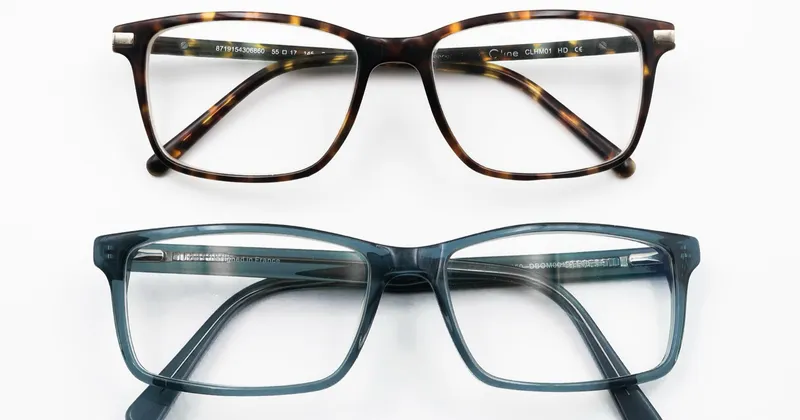
Samsung’s first smart glasses are now on sale in the sense that matters: you can pay for them. Preorders opened on November 12 for the Android XR glasses that Samsung built with Google, in frames designed by Warby Parker and Gentle Monster. They ship on December 10 in the United States and South Korea.
The short version of the hardware is that these are glasses with a camera, speakers and microphones, and no screen. Talk Android says plainly that nothing projects onto the lenses. Everything you get from Gemini comes by voice.
Prices and frames
Warby Parker models start at $395. Gentle Monster models cost $449 to $489. Prescription lenses are available and can raise the final price, according to both Talk Android and Android Central, which counts 30 frame variations across nine core styles. Gentle Monster supplies 16 variations in six styles; Warby Parker supplies 14 in three designs named Alden, Reid and Wren, in optical and sun versions.
The market list is short. Gentle Monster models are sold in the US and South Korea, while Warby Parker models are US-only, according to The Ghost Howls’ weekly roundup. Samsung has not said when other markets follow. SamMobile traced the preorder date to Warby Parker’s third-quarter earnings call, where co-CEO Dave Gilboa announced it, so the date reached the public through an eyewear retailer rather than a Samsung press event.
What is inside
The numbers below come from Talk Android’s spec rundown:
- Chip: Qualcomm Snapdragon AR1 Gen 1, with some processing offloaded to the phone.
- Camera: 12MP HDR, with 3K video at 30fps or 1080p.
- Audio: two open-ear speakers and four microphones.
- Memory: 2GB RAM and 64GB storage.
- Weight: 40 to 44 grams depending on the model.
- Battery: 245mAh, up to 9 hours of mixed use, and up to 72 hours with the charging case.
- Water resistance: IPX4.
A 245mAh cell is tiny, and the nine-hour figure is a manufacturer rating for mixed use, not a measured result. No reviewer has published one yet in the sources read for this piece, and Samsung has not offered hands-on units beyond store demos that begin on December 10 at seven US Samsung Experience Stores and seven in South Korea.
What Gemini does
You control the glasses by voice or by tapping the frames. Android Central lists landmark identification, menu translation, Google Maps directions and summarising a whiteboard into Samsung Notes. Talk Android adds follow-up questions about what the camera sees, notification grouping and summaries, reading important alerts aloud, and handling calls and message replies. It requires an internet connection and a Google Account, and features and accuracy vary by country, device and subscription.
The phone list
This is the catch that will decide purchases. The glasses work with:
- Samsung Galaxy S, S FE and Z Fold and Flip series phones running One UI 9.0 or later.
- Google Pixel 7 series and newer.
- iPhone 13 Pro and newer.
Galaxy A-series phones and other Android brands are not listed and are not supported for now, according to Talk Android. Samsung’s own mid-range phones are left out of Samsung’s own accessory. Anyone shopping should check the list before the frame.
The privacy design
A camera on someone’s face is the product’s biggest social problem, and the makers have clearly planned for it. Per Talk Android and Android Central:
- An outward LED lights during photo or video capture, and the camera disables itself if the LED is covered or not working.
- Only the wearer can start the camera, and a wear-detection sensor turns it off when the glasses come off.
- Gemini blurs or de-identifies bystanders in visual requests, and video from visual searches is held temporarily and not stored.
- Voice and video data are not used for AI training by default; audio is used only if the user opts in. Google says it does not use the visuals for ad targeting.
- Users must be 18 or older, verified, to activate the glasses.
The XR newsletter The Ghost Howls, written by Skarredghost, praised these measures while calling the product “not very surprising” next to existing camera glasses. That fits: the design copies a category that already exists and tries to win on privacy rules and phone integration. These are the makers’ stated safeguards, and none has been tested in public yet.
Who should wait
If the phone is not on the list, the choice is made for you. If it is, the sensible move is to wait for reviews after December 10 and judge three things the spec sheet cannot: battery in real use, how often the voice assistant gets the answer wrong, and whether strangers react to the LED. At $395 the entry price is not extreme for glasses, but the buyer is paying early for software that is still finding its feet.
Sources
- Android Central: Google and Samsung's smart glasses are here androidcentral.com
- Talk Android: Samsung's Gemini-powered smart glasses open for preorder at $395, ship December 10 talkandroid.com
- SamMobile: Samsung's Intelligent Eyewear glasses will go on pre-order next week sammobile.com
- The Ghost Howls: The XR Week Peek (2026.11.17) skarredghost.com
More in Gadgets
-
Asus cuts the ExpertBook A7's price by $400 with less RAM and a 26-hour battery claim to check
Asus's 14-inch ExpertBook A7 now comes in cheaper 8GB and 12GB versions. The savings are real; the 26-hour battery claim measured 17 hours in one test.
-
Acer's Googlebook 14, reviewed twice: the same laptop is excellent hardware and unfinished software
Two October reviews of the $899 Acer Googlebook 14 agree on the OLED screen and disagree on whether the Googlebook OS is ready. Here is where they split.
-
Fitbit Edge at $179.99: one reviewer calls it restraint, another calls it undercooked
Two October reviews of Google's Fitbit Edge agree on the seven-day battery and split over whether leaving out NFC, a speaker and workout depth is a feature or a flaw.